When deciding on solar technology, understanding the difference between monocrystalline and polycrystalline silicon is critical. Monocrystalline panels offer higher efficiency (15–20%) and a sleek black appearance, while polycrystalline panels are slightly less efficient (13–16%) but more affordable. For applications like foldable solar panels, which require lightweight and portable designs, monocrystalline is often preferred due to its superior power-to-weight ratio. However, if you’re on a tight budget and have ample roof space, polycrystalline can be a cost-effective solution. Always consider your energy needs, available installation area, and mobility requirements before making a choice.
Efficiency and Space Utilization
Monocrystalline silicon cells are made from a single crystal structure, allowing electrons to flow more freely and thus achieving higher efficiency. This makes them ideal for compact systems such as folding solar panels, where every square inch matters. Polycrystalline cells, made from melted multiple crystals, have lower efficiency and require more surface area to produce the same wattage. If you plan to use a portable solar panel for camping or RV trips, monocrystalline is your best bet. It generates more power per square foot, meaning you can carry less weight while getting the same output—crucial for off-grid mobility.
Cost and Budget Considerations
Polycrystalline panels are generally cheaper to manufacture because the production process is simpler and generates less waste. If your project is stationary (e.g., a home rooftop) and budget is the primary driver, polycrystalline is attractive. However, for devices like a 100w portable solar panel, the price gap has narrowed significantly. Many 100W portable panels now use monocrystalline cells because the efficiency gain justifies the slight cost increase. When comparing long-term value, consider that monocrystalline panels often come with longer warranties (25 years vs. 20 years) and better performance in low-light conditions—key for portable use where weather changes quickly.
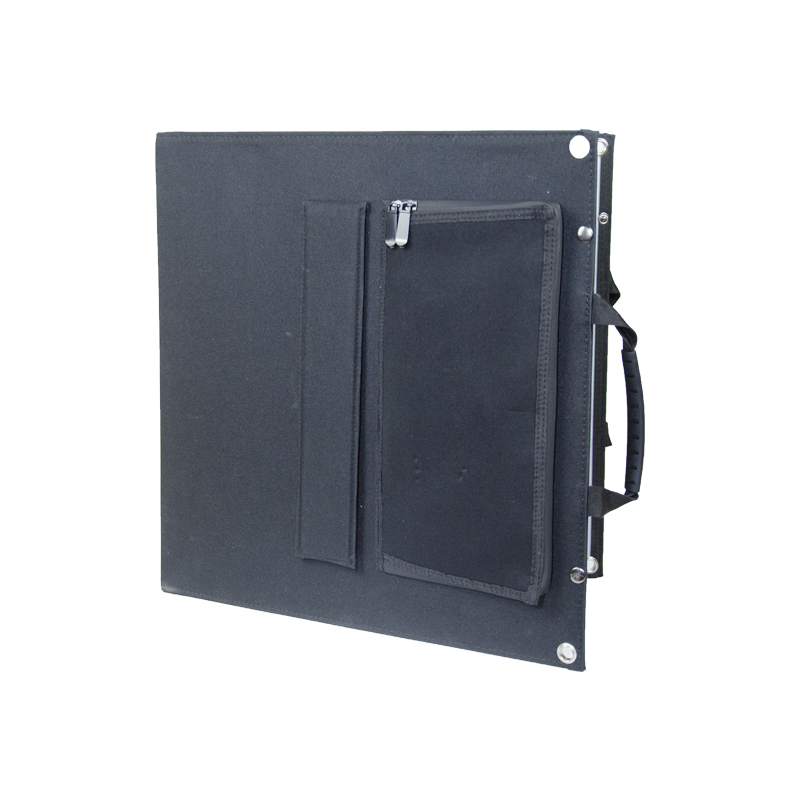
foldable solar panels
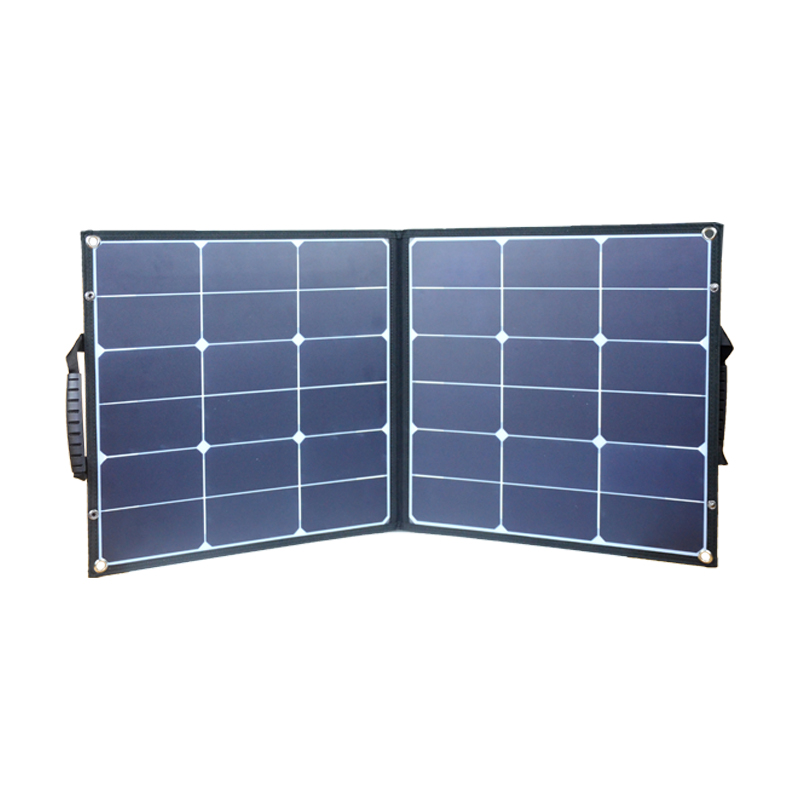
folding solar panels
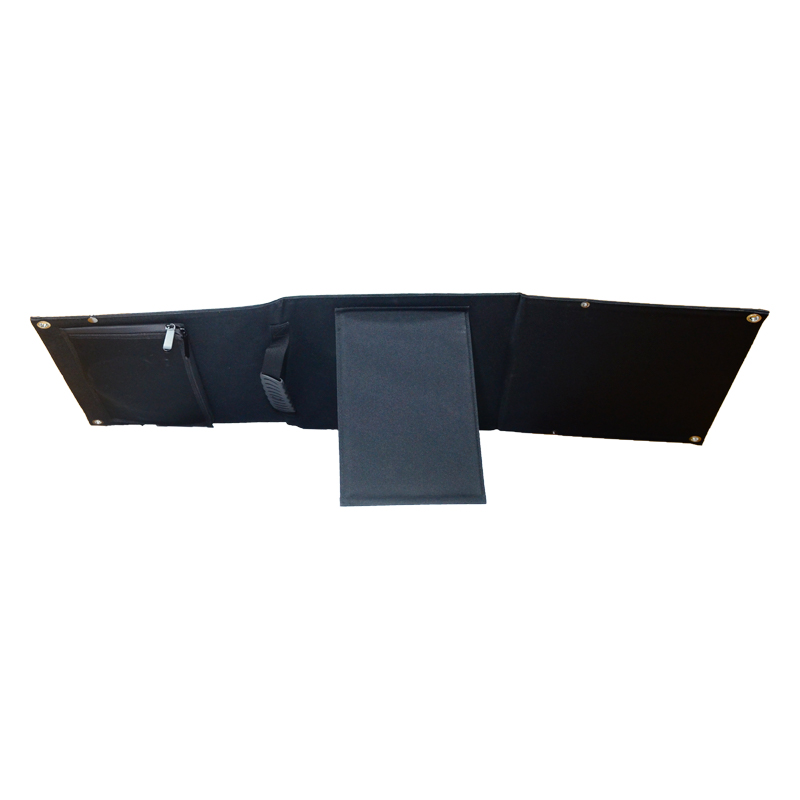
portable solar panel
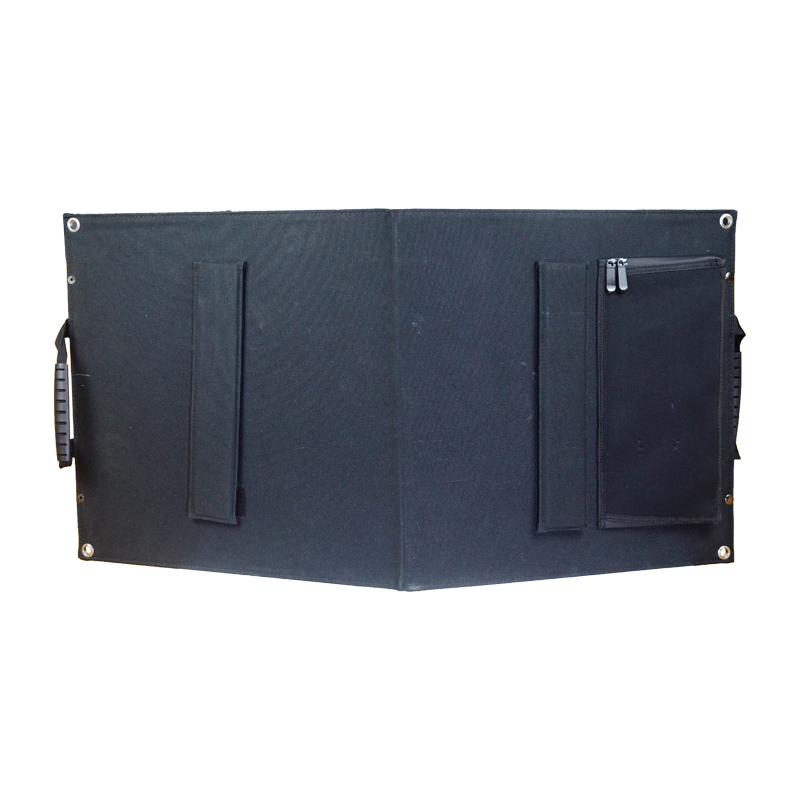
100w portable solar panel
Durability and Portability
Portable solar devices demand ruggedness and flexibility. Fold up solar panels are typically designed with monocrystalline cells because they can be encapsulated in durable, waterproof materials without losing performance. Polycrystalline cells are more brittle and less efficient when partially shaded, making them less suitable for designs that need to fold or roll. If you need to fold up solar panels repeatedly for storage in a backpack or car trunk, monocrystalline is the only reliable choice. Polycrystalline works fine for fixed installations but cracks more easily under mechanical stress—a major drawback for portable applications.
Temperature Performance and Weather Resistance
Monocrystalline panels handle high temperatures better than polycrystalline ones. When a 100w portable solar panel is left under the hot sun, monocrystalline cells experience a smaller drop in voltage and power output. Polycrystalline panels degrade faster in extreme heat, losing up to 10–15% more efficiency on a 40°C day. For outdoor enthusiasts using folding solar panels in deserts or on boats, this temperature coefficient difference can mean hours of extra charging time. Always check the panel’s temperature coefficient (Pmax) in the datasheet—monocrystalline typically ranges from -0.35% to -0.40% per °C, while polycrystalline is around -0.45% to -0.50%.
Application Scenarios: Fixed vs. Mobile
For rooftop solar farms or ground-mounted arrays where weight and space are not limiting, polycrystalline offers decent ROI. But if you’re shopping for a portable solar panel to charge power stations, laptops, or drones, monocrystalline dominates the market. Many brands now sell fold up solar panels in 60W, 100W, and 120W configurations—all monocrystalline. Even entry-level 100w portable solar panel models have shifted to monocrystalline because consumers demand faster charging and lighter carry weight. In summary: choose monocrystalline for portability and performance; choose polycrystalline only for large, stationary, budget-limited projects where space is abundant.
XIAMEN E-CALLING ELECTRONIC CO.,LTD(E-CALLING), established in 2009,is a high-tech manufacturer specializing in the R&D and production of solar products,home electronic product ect. We deliver reliable and trusted Electronics Manufacturing Services (EMS) as a comprehensive one-stop partner. Our integrated offering spans the entire product lifecycle- from initial PCB design,custom function,making a prototype sample,plastic mold making, rigorous testing,assembling,and end-to-end global supply chain management service.
