Surprisingly, a modern solar home system requires very little hands-on maintenance—typically just 2–4 hours per year for cleaning and inspection. Unlike diesel generators that need oil changes every 100 hours, a solar home system has no moving parts. However, neglect can reduce efficiency by 20–30% within two years. If you also use a portable solar lamp for task lighting or portable solar lights for garden pathways, those small devices need occasional care too. Even a portable solar lantern used during camping trips benefits from basic upkeep. In this guide, we break down exactly what a solar home system needs, from panel cleaning to battery health, and how to maintain solar led lighting system components for decades of reliable service.
Solar Panel Cleaning: Frequency and Methods
Dust, bird droppings, and pollen block sunlight from reaching photovoltaic cells. For a rooftop solar home system, cleaning every 3–6 months is usually sufficient. In dusty or dry regions, monthly cleaning may be needed. Use a soft brush and soapy water—never abrasive tools or high-pressure washers, which can scratch glass and damage seals. For a portable solar lamp that sit on a patio table, wipe the panel with a damp microfiber cloth every two weeks. A dirty solar home system can lose 15–25% of its output. If you own a portable solar lantern, check its small panel after every outdoor trip. Rain helps, but rain alone won’t remove sticky residues. For solar led lighting system panels mounted at ground level, trim nearby vegetation that might cast shadows or drop leaves.
Battery Maintenance: The Most Critical Task
The battery bank demands the most attention in any solar home system. Flooded lead-acid (FLA) batteries need you to check electrolyte levels every 2–4 weeks, topping up with distilled water only. Never overfill—leave 1/4 inch of space. Sealed AGM or gel batteries are maintenance-free for 4–6 years. Lithium batteries require zero regular maintenance beyond keeping them dry. For smaller accessories like a portable solar lamp with an internal battery, simply avoid deep discharges below 20%. A portable solar lantern used nightly should be stored at 50–80% charge if left unused for weeks. Your main solar home system’s battery terminals should be cleaned of corrosion every 6 months using a wire brush and a baking soda solution (1 tablespoon per cup of water). Loose connections cause voltage drops, which confuse charge controllers and shorten battery life.
Charge Controller and Inverter Checks
Charge controllers and inverters are electronic devices with no user-serviceable parts, but they still need visual inspections. Every three months for your solar home system, check that the charge controller’s display shows normal voltages (e.g., 12.8–14.4V for a 12V battery bank). Listen for buzzing sounds from the inverter—steady humming is fine, but clicking or crackling indicates loose wiring. For portable solar lights with built-in controllers, ensure the dusk-to-dawn sensor isn’t covered by dirt or spider webs. A portable solar lantern with a faulty controller will flicker or fail to charge. Keep all controller vents unobstructed; overheating reduces efficiency by up to 40%. If your solar home system includes solar led lighting system units, test the automatic on/off functionality once a month.
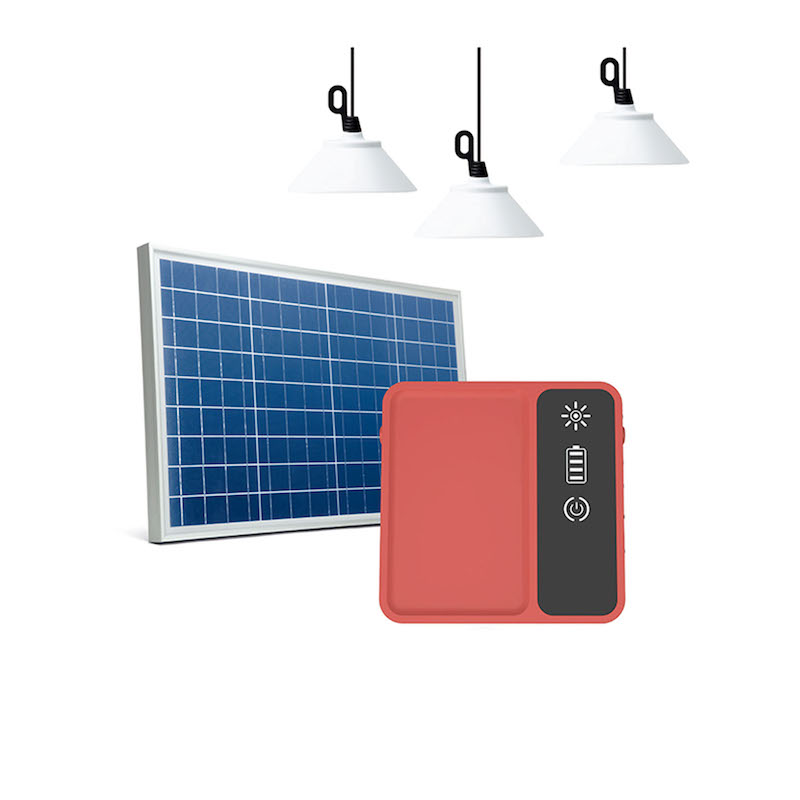
portable solar lamp
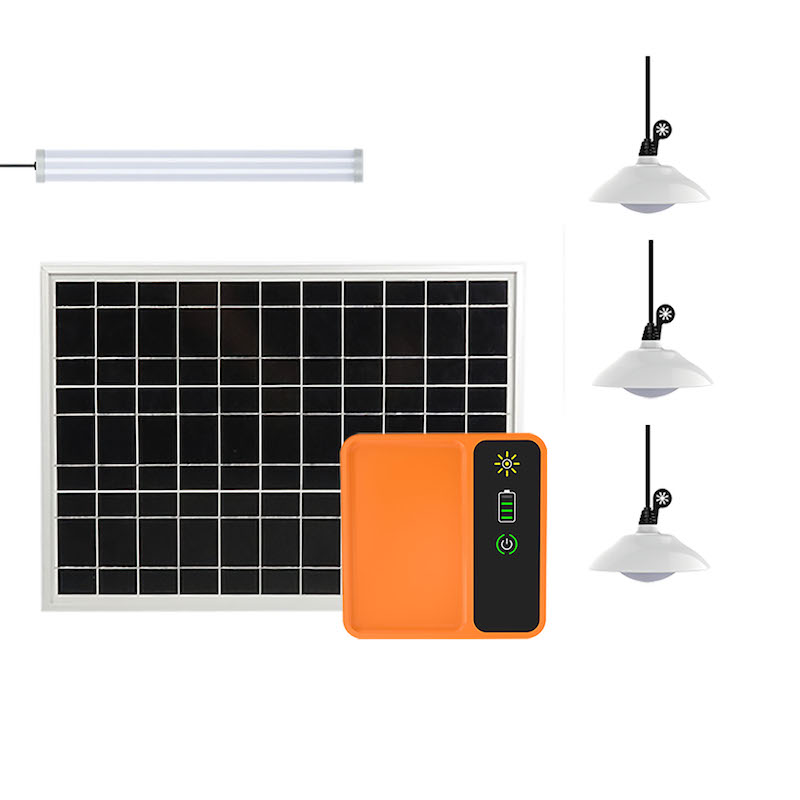
portable solar lights
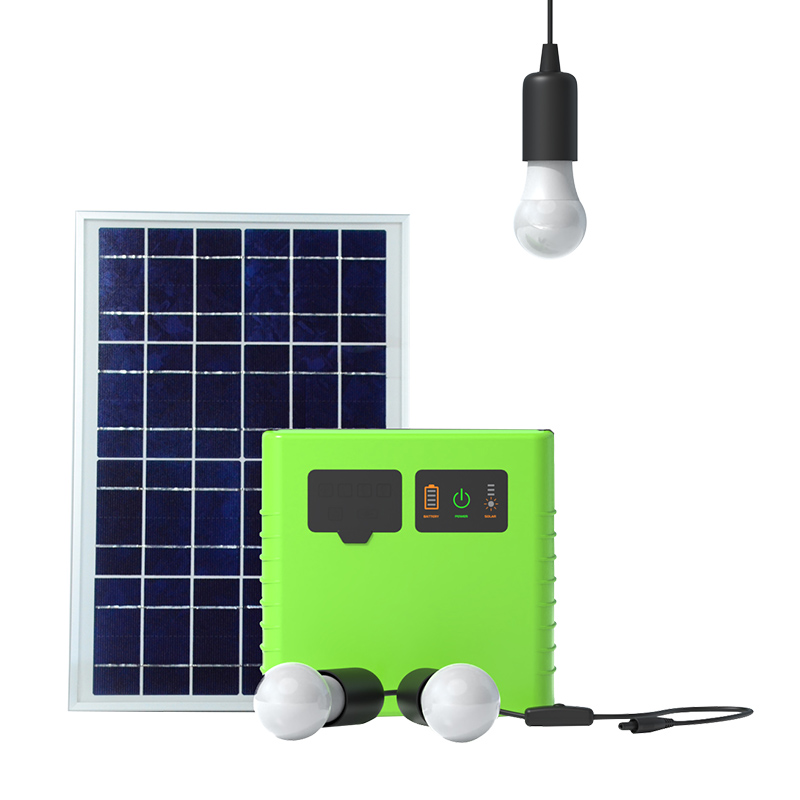
portable solar lantern
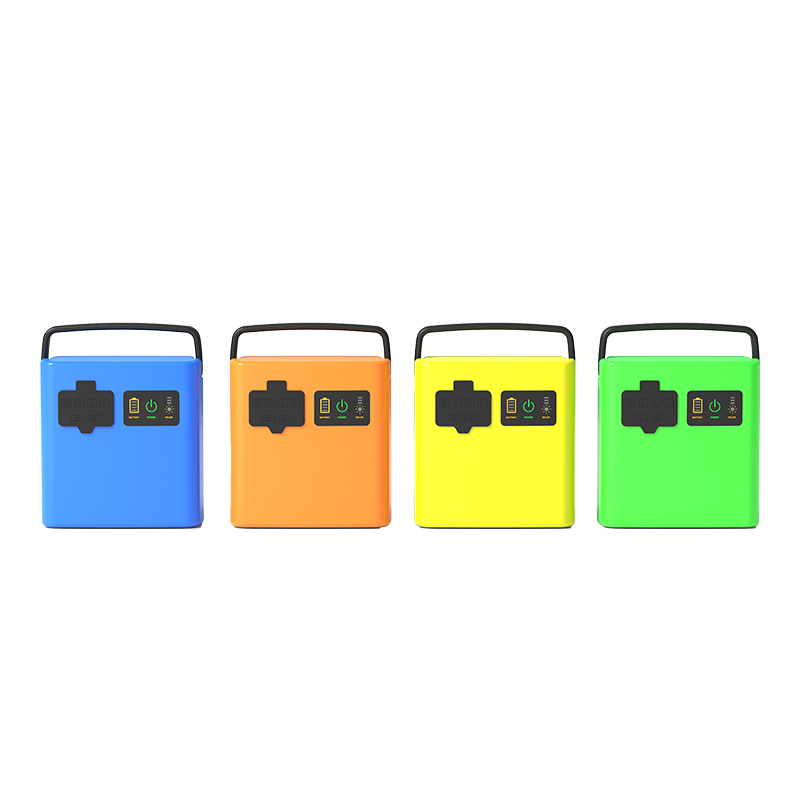
solar led lighting system
Wiring and Connection Integrity
Loose or corroded wiring is a hidden efficiency killer. Annually, inspect every visible cable in your solar home system from panels to battery to inverter. Look for discoloration, brittle insulation, or green/white powdery residue (copper corrosion). Tighten all screw terminals with an insulated wrench, but don’t overtighten—cracked lugs are worse than loose ones. For portable solar lights with detachable cables, check that micro-USB or DC plugs fit snugly. A portable solar lantern with a frayed charging cord is a fire hazard; replace immediately. MC4 connectors on panel strings should click firmly together. Apply dielectric grease to all outdoor connections to prevent moisture ingress. Neglected wiring in a solar home system can cause arc faults, which have started hundreds of house fires globally.
Environmental Factors: Dust, Snow, and Shading
Where you live dictates maintenance frequency. In desert regions, a solar home system may need panel cleaning every 2 weeks due to fine dust. Snowfall requires gentle removal with a foam roof rake—never metal tools. In high-pollen spring, check portable solar lights daily; a thin pollen layer can cut output by 50%. For a portable solar lantern used on a boat, rinse with fresh water after each saltwater exposure. Trees growing near your solar home system should be trimmed annually to prevent shadow creep. Even partial shading on one panel of a solar led lighting system can reduce total array output by 30–40% if no optimizers are installed. Use a solar pathfinder tool to reassess shading every 2–3 years, especially as trees mature.
Troubleshooting Common Issues Without a Technician
Many problems with a solar home system have simple fixes. If your portable solar lamp doesn’t turn on, first check the on/off switch and battery contacts. For portable solar lights that stay off all night, the light sensor might be obscured by dirt—clean with alcohol. A portable solar lantern that dims quickly likely has a worn battery; most internal batteries are replaceable via a small screw cover. For your main solar home system, if battery voltage reads normal but nothing powers on, reset the inverter by disconnecting it from battery power for 30 seconds. Solar led lighting system units that flicker often indicate a loose neutral wire in the DC distribution block. Keep a simple multimeter handy to check panel open-circuit voltage (should match spec within 10%). If you own multiple portable solar lights, label each with its purchase date—batteries in these small devices usually need replacement every 1–3 years.
Annual Professional Inspection: Is It Worth It?
For a basic solar home system under 1kW, a professional inspection every 3–5 years is sufficient. However, if your system includes solar led lighting system for security or portable solar lights for rental properties, an annual check by a certified electrician (cost $100–$200) provides peace of mind. They will perform insulation resistance testing, thermal imaging of connections, and verify charge controller programming. For a portable solar lantern professional repair usually costs more than replacement—just buy a new one. But for a whole-home solar home system, that annual inspection can catch loose terminals before they cause a fire. Keep a logbook recording each cleaning, battery voltage reading, and any unusual behavior. A well-documented solar home system fetches higher resale value if you move. In summary: expect 4–6 hours of DIY maintenance per year for the main system, plus 15 minutes monthly for your portable solar lights and portable solar lantern units. That small time investment yields 25+ years of silent, free electricity.
XIAMEN E-CALLING ELECTRONIC CO.,LTD(E-CALLING), established in 2009,is a high-tech manufacturer specializing in the R&D and production of solar products,home electronic product ect. We deliver reliable and trusted Electronics Manufacturing Services (EMS) as a comprehensive one-stop partner. Our integrated offering spans the entire product lifecycle- from initial PCB design,custom function,making a prototype sample,plastic mold making, rigorous testing,assembling,and end-to-end global supply chain management service.
