The battery is the heart of any off-grid energy setup. In a typical solar home system, batteries usually last between 3 and 7 years, depending on chemistry, depth of discharge, and maintenance. Lead-acid batteries (flooded, gel, or AGM) often fail around the 3–5 year mark, while lithium iron phosphate (LiFePO4) can reach 7–10 years. However, these numbers shift dramatically if you also use smaller devices like a portable solar lamp for nightly reading. Understanding battery lifespan helps you plan replacements and avoid sudden darkness. Below, we break down every factor that affects longevity in a solar home system, from charge controllers to temperature.
Battery Chemistry: Lead-Acid vs. Lithium
The single biggest predictor of lifespan is battery chemistry. Flooded lead-acid (FLA) batteries in a solar home system typically last 3–5 years if you maintain water levels. Sealed AGM or gel batteries last 4–6 years but cost more. In contrast, lithium iron phosphate (LiFePO4) batteries easily outlive 7–10 years, handling over 4,000 cycles at 80% depth of discharge. For families using a portable solar lamp daily, lithium is cost-effective over a decade. A solar home system with lithium batteries also charges faster and requires zero maintenance—ideal for remote clinics or schools.
Depth of Discharge (DoD) and Daily Cycles
DoD refers to how much battery capacity you use before recharging. Regularly draining a solar home system below 50% (for lead-acid) or below 20% (for lithium) drastically shortens life. For example, using a portable solar lights set for 6 hours every night might drain a 100Ah battery to 70% DoD. That reduces lead-acid cycles from 1,200 to just 400–500. Lithium can tolerate 80–90% DoD without major degradation. If your solar home system powers portable solar lights in multiple rooms, install a battery monitor. Keeping DoD under 50% for lead-acid or under 80% for lithium doubles lifespan.
Temperature and Ventilation Effects
Heat is the silent killer of all batteries. A solar home system installed in a metal shed where summer temperatures reach 40°C (104°F) will see battery life cut by 50%. Lead-acid batteries lose 50% of their cycle life for every 10°C above 25°C. Lithium performs better but still degrades faster in extreme heat. Cold temperatures (below 0°C) reduce usable capacity temporarily but don’t permanently damage most chemistries. If you use a portable solar lantern that moves indoors, its small battery faces less thermal stress. However, the main solar home system should always be placed in a shaded, ventilated area. Insulating battery boxes helps in cold climates, while active cooling fans are cheap for hot zones.
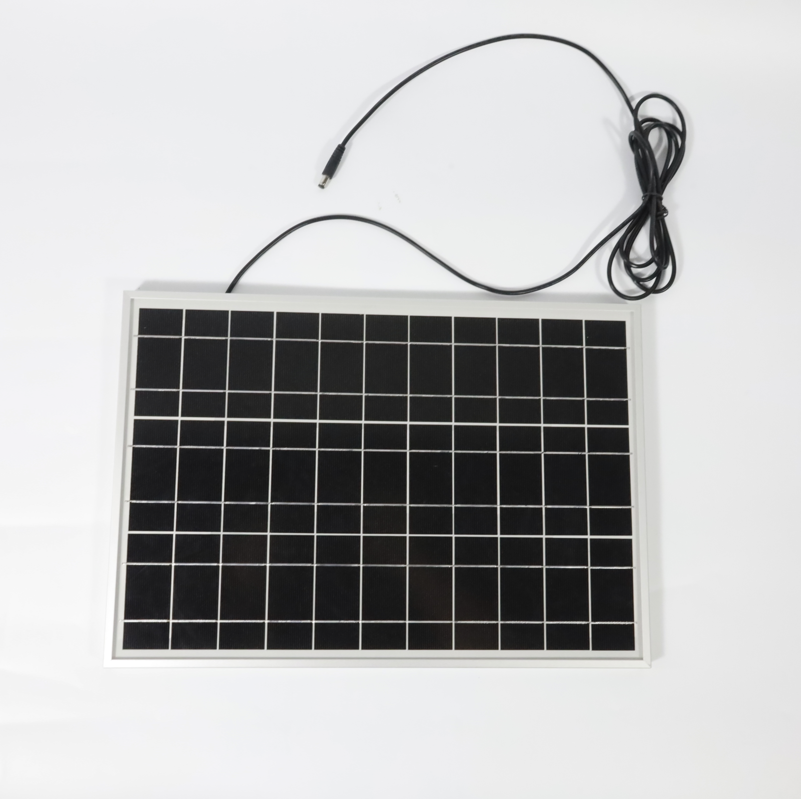
portable solar lamp
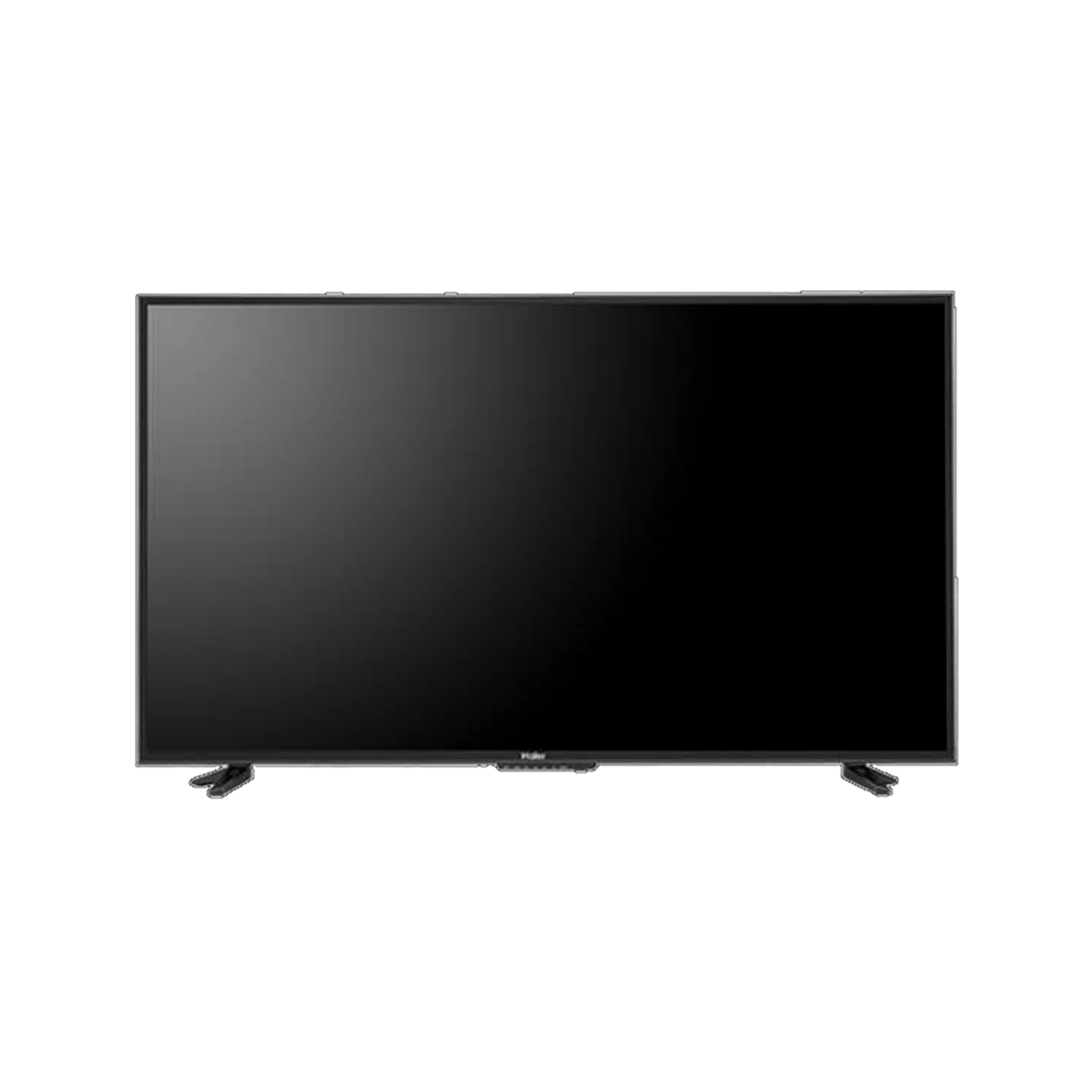
portable solar lights
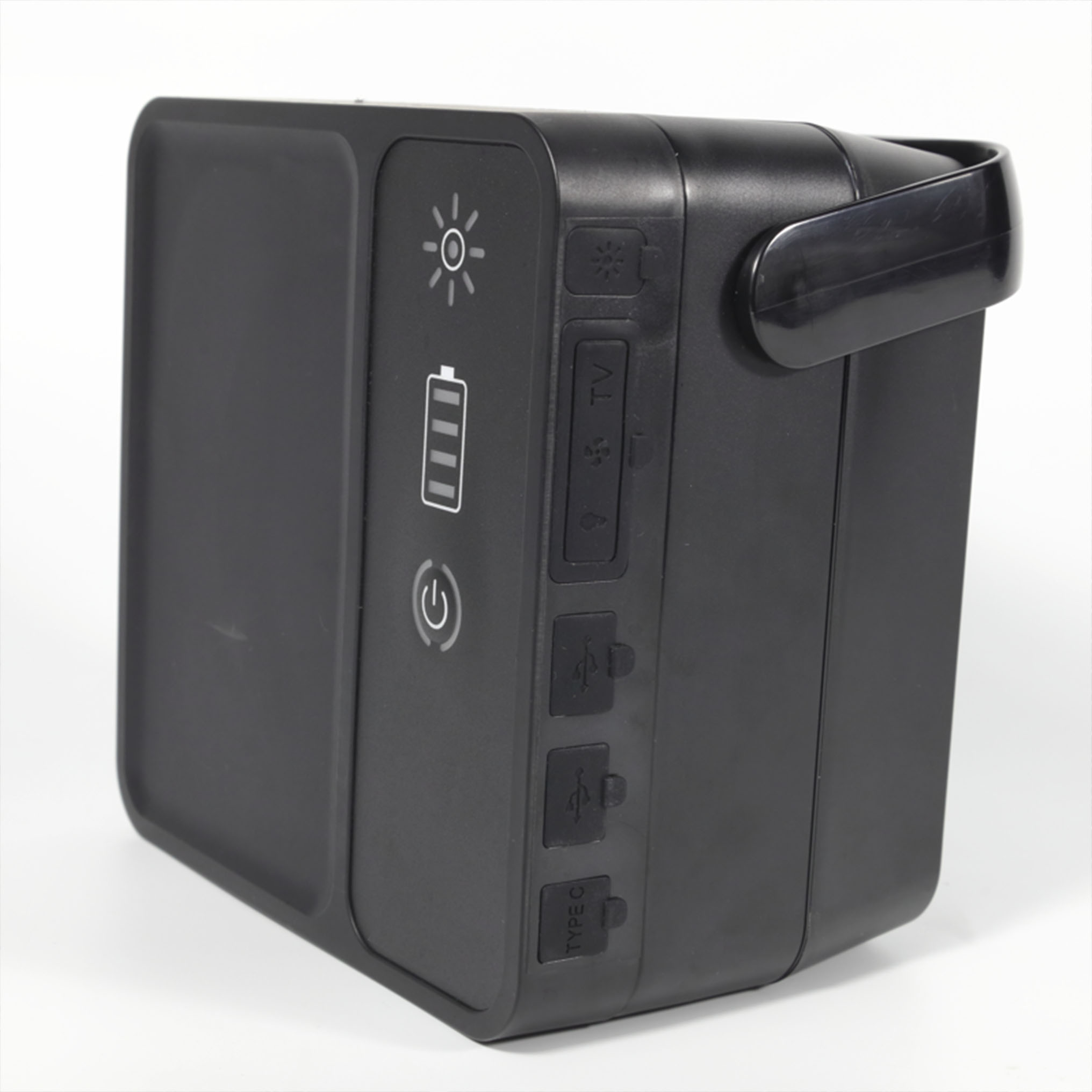
portable solar lantern
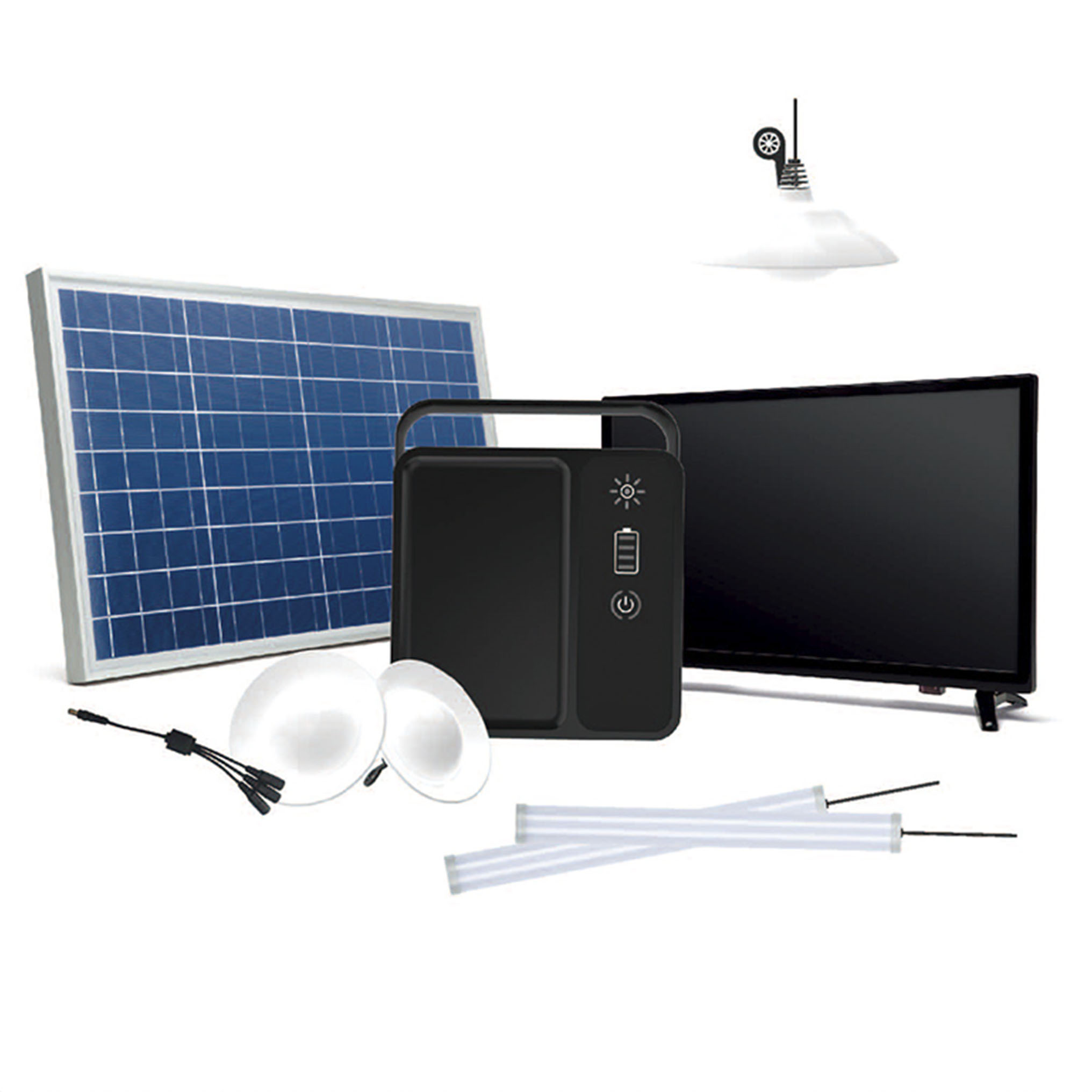
solar led lighting system
Charge Controller Quality and Settings
A poor-quality or incorrectly set charge controller can kill a new solar home system battery in under 12 months. PWM (pulse width modulation) controllers are cheaper but less efficient and often overcharge batteries. MPPT (maximum power point tracking) controllers extend battery life by supplying the correct voltage. For a solar home system that also powers solar led lighting system units, set absorption voltage to 14.4V (for lead-acid) or 14.0V (for lithium). Equalization charges (for flooded lead-acid) should run only once every 2–3 months. Never use an automotive battery charger designed for starting engines—it lacks the multi-stage profile a solar home system needs. Investing a $50 premium in an MPPT controller can add 2–3 years to your battery bank.
Usage Patterns: Nightly Lighting vs. Heavy Appliances
How you use stored energy matters as much as the battery itself. A solar home system that only runs portable solar lights and phone chargers might cycle to only 20–30% DoD each night, granting 6–8 years from good lead-acid or 10–12 years from lithium. But if that same solar home system powers a fridge, TV, and water pump, daily DoD may hit 80% even with lithium. In that case, expect 4–5 years from lithium and only 2–3 from lead-acid. Families relying on a portable solar lantern for outdoor cooking or a solar led lighting system for security lights can reduce strain on the main battery by using dedicated small devices. However, a portable solar lamp with its own tiny battery (1,000–2,000 mAh) lasts only 1–2 years because it cycles daily. For the main solar home system, match battery capacity to your nightly watt-hour consumption times three (for cloudy days).
Signs Your Battery Needs Replacement
Even with perfect care, all batteries degrade. Watch for these five symptoms in your solar home system: (1) voltage drops below 11.5V within an hour of sunset; (2) portable solar lights dim faster than they used to; (3) the charge controller reports full but systems shut down after 2 hours; (4) physical swelling or leaking (for lead-acid); (5) a portable solar lantern plugged into the system takes twice as long to charge. When you notice any of these, perform a capacity test by running a known load (e.g., a 40W solar led lighting system) until shutdown. If capacity is below 60% of rated Ah, replace the battery bank immediately. Continuing to use a worn-out battery can damage your charge controller and solar panels.
Extending Battery Life: Practical Tips
You can maximize longevity with simple habits. First, set your charge controller’s low-voltage disconnect (LVD) to 11.8V for lead-acid or 12.2V for lithium—never lower. Second, clean battery terminals every 3 months to prevent corrosion, especially if you live near saltwater. Third, if you own a portable solar lantern or portable solar lights with removable batteries, store them partially charged (50–60%) during rainy seasons. Fourth, balance your solar home system by adding a battery balancer if you have multiple 6V or 12V units in series. Finally, replace all batteries in a bank simultaneously—mixing old and new cells destroys both. A well-maintained solar home system with lithium batteries can push beyond 10 years, powering solar led lighting system arrays and evening activities reliably. Remember: batteries are a consumable. Budget 10–15% of your initial solar home system cost per year for eventual replacement, and you’ll never be left in the dark.
XIAMEN E-CALLING ELECTRONIC CO.,LTD(E-CALLING), established in 2009,is a high-tech manufacturer specializing in the R&D and production of solar products,home electronic product ect. We deliver reliable and trusted Electronics Manufacturing Services (EMS) as a comprehensive one-stop partner. Our integrated offering spans the entire product lifecycle- from initial PCB design,custom function,making a prototype sample,plastic mold making, rigorous testing,assembling,and end-to-end global supply chain management service.
