As solar energy becomes increasingly popular around the world, many homeowners are asking the same question:
"What size solar home lighting system do I need for my home?"
The answer depends on several factors, including your daily electricity consumption, the appliances you use, your location, and whether you need an on-grid or off-grid solar system
Choosing the correct solar system size is essential. A system that is too small may not provide enough power for your daily needs, while an oversized system can increase costs unnecessarily.
In this guide, we'll explain how to determine the right solar system size for your home and what factors you should consider before making a purchase.
Why Solar System Size Matters
A solar system is designed to generate electricity from sunlight and store energy for later use when needed.
The size of the system directly affects:
Daily power generation
Battery storage capacity
Number of appliances supported
System cost
Long-term performance
Selecting the right size ensures reliable energy supply while maximizing your return on investment.
Whether you are installing a simple solar home lighting system or a complete off-grid solar system, proper sizing is the foundation of a successful solar project.
Step 1: Calculate Your Daily Energy Consumption
The first step is to understand how much electricity your household uses every day.
Electricity consumption is usually measured in watt-hours (Wh) or kilowatt-hours (kWh).
To calculate your daily energy usage, list all appliances and estimate how many hours they operate each day.
Example Household
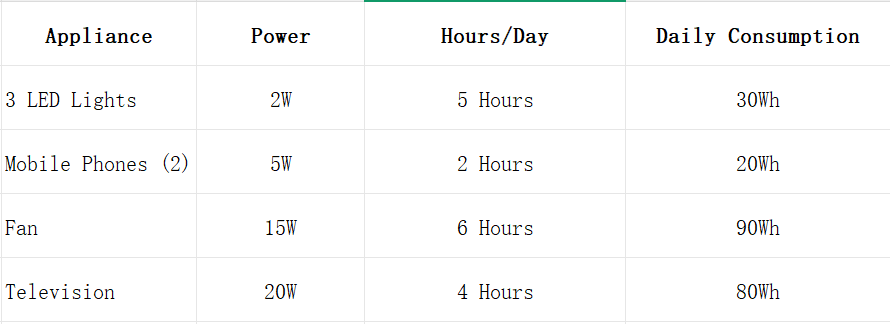
Total Daily Consumption: 220 Wh per day
Step 2: Consider Your Location and Sunlight Hours
Solar panels produce electricity only when exposed to sunlight. Different regions receive different amounts of solar radiation.
Average peak sun hours:
Africa: 9-12 hours/day
Southeast Asia: 4–6 hours/day
South Asia: 4–6 hours/day
Latin America: 4–6 hours/day
To estimate solar panel requirements, divide daily energy consumption by average sun hours.
Example:
220Wh ÷ 9 sun hours = 24W
Adding a safety margin of 20–30%, a solar panel size of approximately 30W would be recommended.
Step 3: Determine Battery Capacity
A solar system is only as reliable as its battery storage.
The battery stores excess energy generated during the day and supplies power at night or during cloudy weather.
For off-grid systems, battery sizing is critical.
Battery Capacity Formula:
Daily Consumption × Backup Days
Example:
220Wh × 2 days = 440Wh
If using a 12V battery:
440Wh ÷ 12V = 37Ah
A battery around 40Ah would be suitable.
Today, many modern solar home system use LiFePO4 batteries because they offer:
Longer lifespan
Better safety
Faster charging
Higher efficiency
Lower maintenance
Compared with traditional lead-acid batteries, LiFePO4 batteries provide significantly lower lifetime costs.
Common Solar System Sizes for Homes
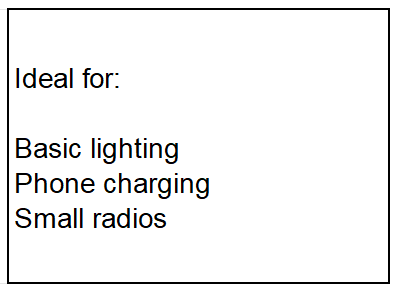
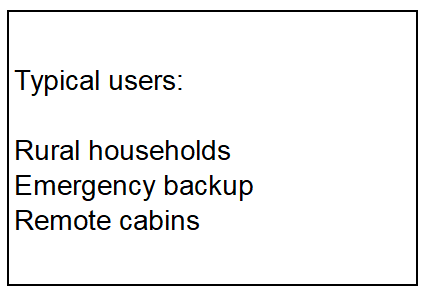
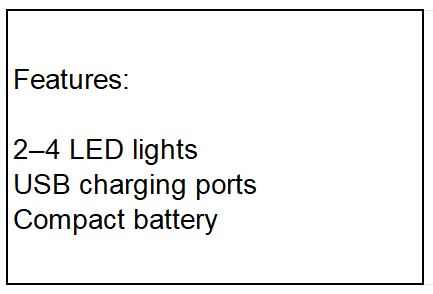
This type of solar home lighting system is widely used in rural electrification programs.
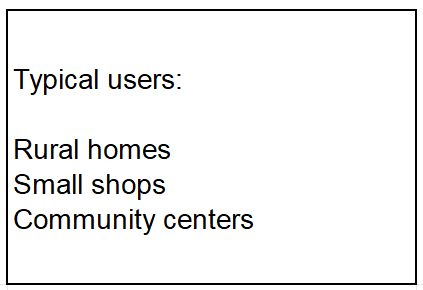
Medium Solar Home System (100W–300W)
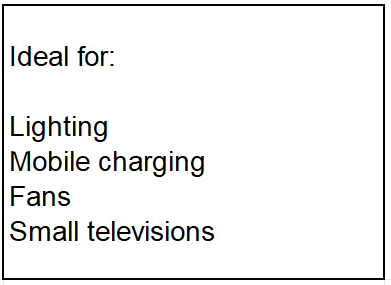
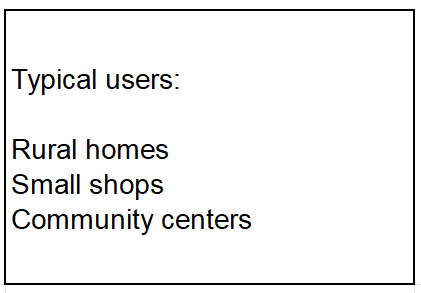
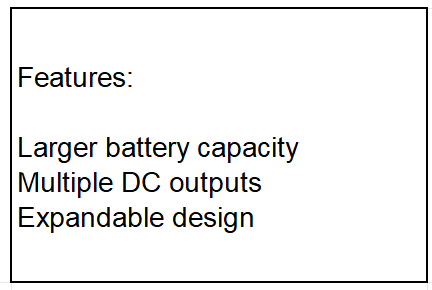
Large Off-Grid Solar System (500W–2000W)
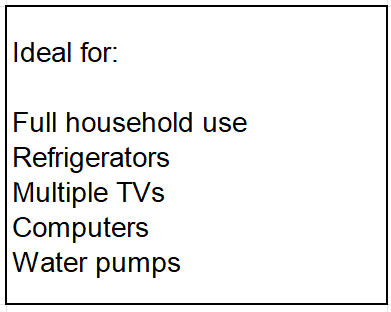
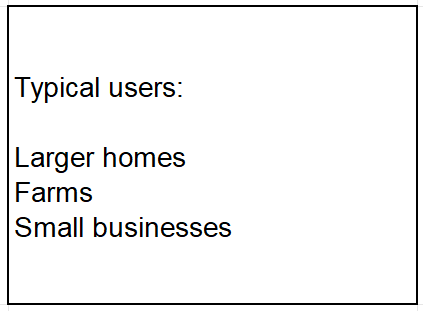
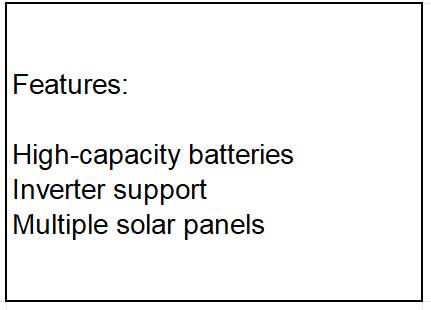
These systems offer greater energy independence and can power a wider range of appliances.
How Many Solar Panels Do I Need?
The number of panels depends on the wattage of each panel and your total energy demand.
Examples:
1
20W Solar Panel
Can typically support:
Several LED lights
Phone charging
Radio
Several LED lights
Phone charging
Radio
Several LED lights
Phone charging
Radio
2
80W Solar Panel
Can support:
Lighting
Fan
TV
Device charging
Lighting
Fan
TV
Device charging
3
500W Solar Panel System
Can support:
Multiple rooms
Refrigerator
Air condition
Small house appliances
Can support:
• Multiple rooms
• Refrigerator
• Television
• Small household appliances
As energy requirements increase, additional panels can be added to expand the system.
Choosing Between On-Grid and Off-Grid Systems
On-Grid Solar System
Connected to the utility grid.
Advantages:
Lower battery costs
Reduced electricity bills
Efficient energy usage
Suitable for:
Urban and suburban homes
Off-Grid Solar System
Operates independently from the utility grid.
Advantages:
Complete energy independence
Reliable power in remote areas
Ideal for rural electrification
Suitable for:
Villages
Farms
Remote communities
For areas without reliable electricity access, an off-grid solar system remains the most practical solution.
What About PAYGo Solar Systems?
In many developing regions, upfront solar costs can be a barrier.
PAYGo (Pay-As-You-Go) solar systems help overcome this challenge.
A PAYGo solar home system allows users to make small installment payments through mobile money platforms.
Benefits include:
Lower upfront investment
Increased affordability
Greater access to clean energy
Improved repayment flexibility
Many rural households that cannot afford a complete system upfront can gradually gain ownership through PAYGo financing.
Today, PAYGo technology is driving rapid solar adoption across Africa and other emerging markets.
Future-Proofing Your Solar Investment
When sizing a solar system, it is important to think beyond your current needs.

Many households begin with:
Lighting
Phone charging
But later add:
Fans
TVs
Refrigerators
Internet devices
Choosing an expandable solar home kit allows you to increase capacity as your energy demand grows.
Features to look for include:
Additional battery expansion
Extra solar panel inputs
Modular design
Smart energy management
Future-proof systems help avoid costly replacements later.
Common Sizing Mistakes to Avoid
Underestimating Energy Usage
Many homeowners forget to include future appliances.
Always leave room for growth.
Buying Based Only on Price
The cheapest system may not provide sufficient power or battery life.
Focus on value and reliability.
Ignoring Battery Quality
A low-quality battery can significantly reduce system performance.
LiFePO4 batteries generally offer the best long-term value.
Not Considering Weather Conditions
Cloudy seasons and rainy periods can affect solar production.
Always include a safety margin when calculating system size.
Final Thoughts
So, what size solar system do you need for your home?
The answer depends on your daily energy consumption, available sunlight, battery storage requirements, and future expansion plans.
For basic lighting and phone charging, a small solar home lighting system may be sufficient.
For households requiring fans, televisions, and additional appliances, a medium-sized solar home system offers greater flexibility.
Larger homes and businesses may benefit from a high-capacity off-grid solar system designed for full energy independence.
By carefully assessing your energy needs and selecting quality components, you can enjoy reliable, clean, and cost-effective solar power for many years to come.
Whether you are a homeowner, distributor, or project developer, investing in the right solar solution is an important step toward a more sustainable future.
